
Queer students, take heart.
College is not like high school. Even if you went to a high school that was accepting of your sexuality or gender identity, college is a whole new ballgame.
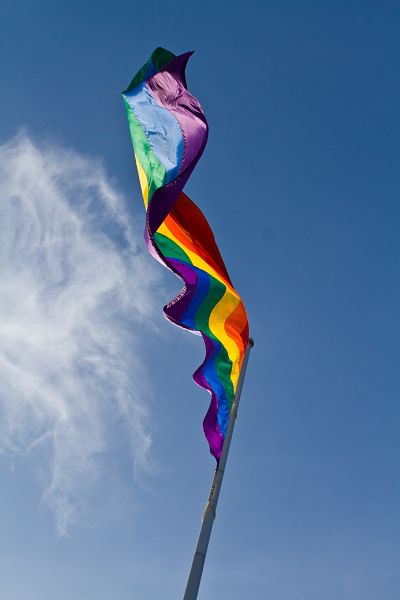
At many colleges, the lesbian, gay, bisexual, transgender or queer (LGBTQ) community is a visible and valued part of campus life. Students who are questioning or in the closet often find that it's easier to explore and be open about their identity in college. You'll probably meet a lot of people who have struggled with similar issues. You're also likely to find more activities, services, and, at most schools, LGBTQ resource centers. Many colleges offer a major or minor in LGBTQ Studies. You may even find decide to tell your story in your college essay—if you can explain how your sexuality or gender identity has helped shape who you are.
That said, college is still part of the real world—you may encounter homophobia at some point during your four years. And not all colleges are as accepting of LGBTQ students. It's important to do your research, discuss your priorities with your college counselor, visit campuses, and pick a school where you'll be comfortable.
We recognize that it is not possible to write in a way that is inclusive of all identities, relationships and life experiences.
We use the term "queer" to refer to the collective community of LGBTQ students. In the past, the term "queer" has been used in a derogatory manner, but today many in the LGBTQ community have reclaimed it as a term of empowerment and inclusiveness.
Read More: College Rankings
The Princeton Review's Gay and Lesbian Guide to College Life features advice from students and administrators at more than seventy colleges, and each year we publish an annual ranking list of the nation’s most and least LGBT-friendly campuses. The list identifies colleges whose students give their communities high ratings when its comes to equal treatment.
Many organizations offer scholarships specifically for LGBTQ students.
Check out Rob Franek's Huffington Post blog for more tips for LGBTQ college applicants.
Get one-on-one help from former Ivy League and top tier admission officers. Our College Admission Counselors will help you find, apply, and get accepted to your dream school.
Connect with our featured colleges to find schools that both match your interests and are looking for students like you.

Join athletes who were discovered, recruited & often received scholarships after connecting with NCSA's 42,000 strong network of coaches.
170,000 students rate everything from their professors to their campus social scene.



 Opt-Out Signal Honored


